4 minutes
Everything You Know About OT Security is Wrong
หลายอาทิตย์ก่อนได้ดู webinar ที่บรรยายโดย Andrew Ginter แห่ง Waterfall Security ชื่อหัวข้อ Everything You Know About OT Security is Wrong
หลายๆ เรื่องเป็นสิ่งที่ผมเห็นด้วยและเคยพูดถึงไปในบล็อกบ้างแล้ว การได้นั่งดูวิดีโอนี้ถือเป็นการเติมกาวให้ confirmation bias ของตัวเอง 555+
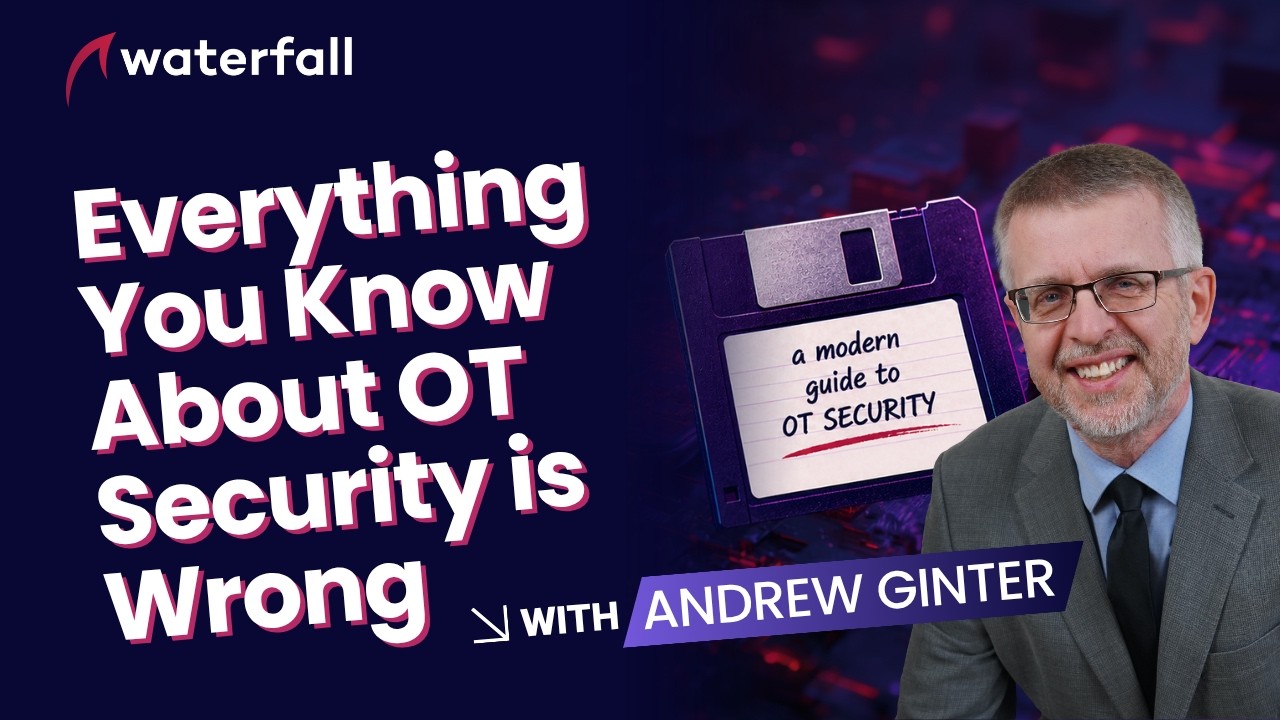
เนื้อหาของ webinar จะพูดถึงสิ่งที่คนส่วนใหญ่เข้าใจผิดเกี่ยวกับ OT security รวมๆ แล้วมีประมาณ 11 ข้อ
- Asset inventory is the first step: You can’t protect what you don’t know you have เกือบทุกคำแนะนำด้าน cybersecurity จะบอกว่าให้ทำ asset inventory ก่อน แต่จริงๆ การรู้ว่าเรามี asset จำนวนเท่าไหร่ และแต่ละตัวมี vulnerability อะไรบ้างนั้น ไม่สำคัญเท่าการรู้ว่า data flow ที่วิ่งผ่าน security boundary มีอะไรบ้าง และอาจถูกเอามาใช้ในการโจมตีระบบ OT ได้ยังไง
Inventory DATA FLOWS first – flows crossing consequence boundaries.
- OT/engineering teams resist cybersecurity measures โดยเฉพาะเรื่องการ patch หรืออัปเดต firmware… สาเหตุหลักคือ security team กับ engineer มองคนละมุมกัน ส่วนใหญ่ security team จะมองเรื่องช่องโหว่และการโจมตี แต่ engineer จะมองเรื่อง operation และ safety
Every changes that you make to the system risks making a mistake. Some mistakes kill people or can take down the whole system.
สิ่งสำคัญคือทั้งสองทีมต้องทำความเข้าใจข้อจำกัดของแต่ละฝ่าย แล้วพูดคุยเพื่อหาแนวทางที่เหมาะสมร่วมกัน
- Protect the information – the CIA, or AIC, or IAC or something อันนี้ไม่ใช่แค่ความเข้าใจผิดของคนส่วนใหญ่ แต่มันฝังลึกอยู่ในมาตรฐานหรือ guidelines ด้าน OT cybersecurity ด้วย จริงๆ แล้วในระบบ OT ส่วนใหญ่ สิ่งที่เราต้องปกป้องคือ physical process ไม่ใช่ information
IT protects information – OT prevents sabotage of physical operations.
ถ้าอยากจะลิสต์สิ่งที่ OT security ต้องปกป้องก็ควรจะเป็น safety, reliability, และ efficiency/performance มากกว่า
- Air gaps are a myth, they provide a false sense of security อันนี้ผมเจอกับตัวเองบ่อยเหมือนกัน คำว่า air gap ในความหมายของผมคือ ไม่มีการเชื่อมต่อกับเครือข่ายภายนอก แต่สำหรับ IT หรือที่ปรึกษา(ส่วนใหญ่) air gap = no route to the internet แปลว่าถ้าระบบ OT เชื่อมต่อกับ intranet หรือระบบภายนอกอื่นๆ ที่อยู่ในองค์กร ก็ยังนับว่าเป็น air gap อยู่
Andrew บอกว่าสำหรับระบบ OT สิ่งที่ควรทำคือ Network Engineering
Network Engineering = deterministic control over the movement of information into OT systems at consequence boundary.
- Prevention / the perimeter is dead. Visibility / response are the priority อาจจะเป็น concept ที่จริงสำหรับ IT network แต่สำหรับระบบ OT ยังไงก็ควรต้องมี prevention ที่เชื่อถือได้ เพราะการคิดจะพึ่ง detection / alert แล้วหวังว่าเราจะสามารถ response ได้รวดเร็วและทันต่อสถานการณ์ อาจจะทำให้สายเกินไป
“Hope” is not what we expect of design engineers. We expect engineering-grade protection not IT-grade “hope”.
- If only we could secure OT as well as we do IT, then we would be good ถ้าดูจาก consequence ที่จะเกิดขึ้นเมื่อระบบถูกโจมตี ระบบ OT ควรจะต้อง secure กว่าระบบ IT ดังนั้นการเอา security controls ของ IT มาใช้กับระบบ OT อาจจะไม่เพียงพอ
Physical operations must be protected materially more thoroughly than is reasonable on internet-connected IT systems.
- Brownfield equipment is the problem Andrew มองว่าคำว่า greenfield ในระบบ OT ไม่มีอยู่จริง ระบบ OT ส่วนใหญ่จะ out-of-date ไปเรียบร้อยเมื่อนำออกใช้งาน เพราะตั้งแต่กระบวนการออกแบบ ติดตั้ง ไปจนถึง commissioning จะต้องมีการทำ engineering change control และไม่ได้อัปเดตแพตช์ล่าสุดแน่นอน ดังนั้นยังไงมันก็เป็น brownfield แม้จะเพิ่ง implement เสร็จก็ตาม
Brownfield is the nature of change-controlled systems, and all consequential OT systems are change controlled. Get used to it.
อันนี้ผมมองว่าน่าจะต้องดูว่า brownfield equipment นั้นมัน legacy แค่ไหน มันอาจจะเป็นปัญหาจริงๆ ก็ได้ เพราะถ้ามองในมุม performance หรือ security controls แล้ว อุปกรณ์ที่เพิ่งติดตั้งเมื่อ 5 ปีที่แล้ว ควรจะมีความสามารถหรือประสิทธิภาพดีกว่าอุปกรณ์เก่าที่ใช้มานาน เราอาจจะไม่ได้เรียกมันว่า greenfield equipment แต่เราน่าจะมีทางเลือกในการทำให้มัน secure มากกว่าอุปกรณ์ที่อยู่มา 20 ปีแล้ว
- We have no budget องค์กรส่วนใหญ่มี budget เพียงแต่ cybersecurity ไม่ได้รับ priority ที่เหมาะสมมากกว่า ซึ่งเป็นหน้าที่ของทีม security ที่จะต้องสื่อสารกับผู้บริหารเพื่อให้เห็นความสำคัญของ cybersecurity ในมุมของ business ให้ได้
We need a clearer understanding of risk – the language of business – need to be able to explain risks, not just patching metrics.
- Zero Trust, encryption, and IAM are the answers. What was the question? สรุปสั้นๆ คือมันเป็น IT-style protection ที่อาจจะไม่เพียงพอสำหรับระบบ OT (ทำนองเดียวกับข้อ 6.) สิ่งที่ Andrew แนะนำคือ Network Engineering และ Cyber-Informed Engineering
Use network engineering and CIE to defeat the most sophisticated adversaries first – use what budget is left over on other IT-style protections.
- Our biggest single threat is insiders – with USB drives Andrew บอกว่าการที่ระบบ OT ส่วนใหญ่ดาวน์ไปนั้นเกิดจาก insider จริง แต่มันไม่ใช่การโจมตี และ USB drive ก็เป็นช่องทางที่ทำให้เกิดความเสี่ยงจริง แต่มันมีอะไรที่เราต้องป้องกันมากกว่าแค่ USB drive
Prevention: control flow of attack information both online & offline e.g. USB, laptops.
รวมไปถึงต้องมีกระบวนการรับมือเมื่อโดนโจมตีจริงๆ
Defense in depth: detect, respond, and recover.
- Patching is the most important part of our security program ความจริงคือกระบวนการ patch เป็นกระบวนการที่ “แพง” ที่สุดใน OT security program และผลที่ได้ก็อาจจะไม่คุ้มค่ากับการลงแรงซักเท่าไหร่ รวมทั้งไม่ได้ช่วยป้องกัน zero-day attack, stolen password, firewall misconfiguration, หรือการเอา HMI ไปต่อเข้า internet ดังนั้นเราอาจจะเลือก patch เฉพาะระบบที่มีความเสี่ยงเป็นพิเศษ และใช้ control อื่นๆ ในการลดความเสี่ยงควบคู่กันไป
Patch most expose systems – to USB / pivoting through temporary laptops / expose to internet.
และเน้น concept ตามข้อ 1. และข้อ 4.
Control flows of attack information into most sensitive systems – patch more cautiously.
แต่เอาจริงๆ ถ้าดูแล้วระบบสำคัญมันมีความเสี่ยงเยอะๆ เราอาจจะออกแบบอะไรผิดมาตั้งแต่ต้นก็เป็นได้
“Most sensitive” system that NEED to be exposed to USB/pivoting/internet attacks, are a very bad design – redesign on an emergency basis.
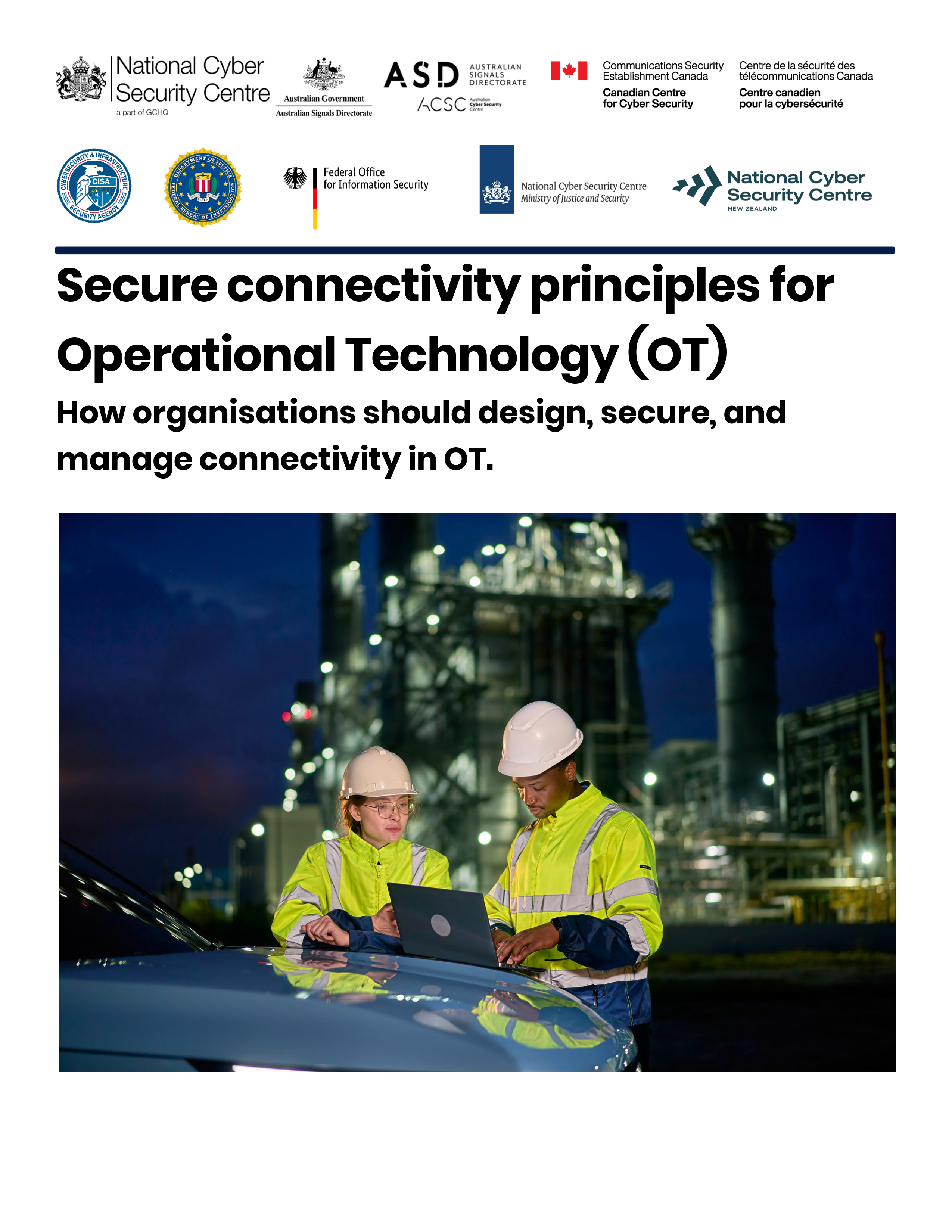
สุดท้าย Andrew แนะนำให้อ่าน Secure Connectivity Principles for Operational Technology (OT) ของ UK NCSC ที่ทำร่วมกับหน่วยงานด้านไซเบอร์ของหลายประเทศ
ปล. ข้อมูลข้างบนเป็นสิ่งที่ผมสรุปมาคร่าวๆ อาจจะมีรายละเอียด/ประเด็นไม่ครบถ้วนเท่าไร ถ้ามีเวลาแนะนำให้นั่งดู จะได้ฟังเนื้อหาแบบเต็มๆ ครับ ความยาวประมาณ 1 ชั่วโมง
rant operational technology cybersecurity
666 Words
2026-07-11 07:53 (Last updated: 2026-07-11 10:51)
1973384 @ 2026-07-11